Key Takeaways
- Vendors who respond first capture 50% of the business—speed matters, but not at the cost of sounding robotic.
- Smart automation uses behavior-based triggers and dynamic personalization—not just timed sequences.
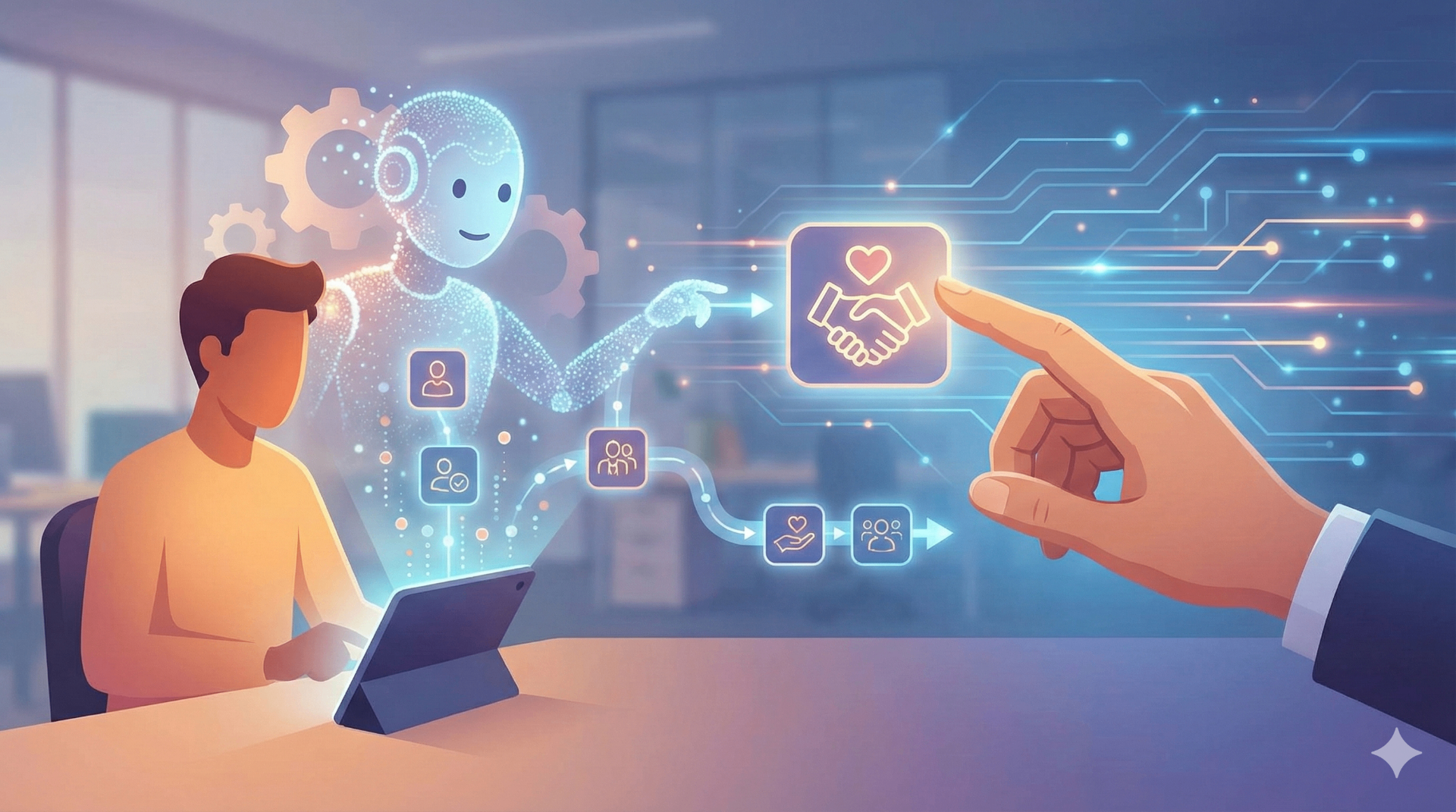
- The goal is "Human-in-the-Loop"—let automation handle initial nurturing so you can step in when leads are hot.
- Personalized emails are 6x more likely to convert—automation enables better personalization at scale.
The Leaky Bucket: Where Your Leads Are Disappearing
You're investing in marketing. Running ads. Building funnels. Generating leads. But here's the painful truth: if you're not following up fast enough, you're pouring money into a leaky bucket.
The data gets even more striking. According to research from the Harvard Business Review, companies that contact leads within 5 minutes are 21 times more likely to qualify that lead compared to those who wait just 30 minutes. You're 100 times more likely to even connect with a lead in those first 5 minutes.
If you're a small business owner or agency founder, you know exactly why this happens. You're in a client meeting. You're finishing a deliverable. You're putting out fires. By the time you see that new lead notification, they've already talked to two of your competitors.
The answer seems obvious: automation. But here's where most businesses get it wrong.
The "Robot" Fear: Why Most Automation Falls Flat
Let's address the elephant in the room. You've seen bad automation. We all have.
"Thank you for your inquiry. Your message is important to us. A representative will contact you shortly."
This message screams "you're one of thousands" and "we couldn't be bothered to write something real." It's worse than no response at all because it signals that you don't actually care about the person on the other end.
The fear of sounding robotic is legitimate. According to McKinsey research, people can smell generic automation from a mile away, and it erodes trust before you've even had a conversation.
Here's what bad automation gets wrong: it treats automation as a replacement for human connection rather than an enabler of it. It's time-based instead of behavior-based. It's one-size-fits-all instead of contextually relevant.
The Smart Automation Framework: Speed + Soul
The resolution to the speed-versus-personalization paradox lies in intelligent automation—systems designed to deliver both. Here's how to build automation that actually works.
1. Contextual Triggers: Respond to Behavior, Not Just Time
Most automation is dumb. It sends Email 1 on Day 0, Email 2 on Day 3, Email 3 on Day 7—regardless of what the lead actually did. This is lazy automation, and your leads can feel it.
Smart automation responds to specific behaviors, making each interaction feel responsive and contextual rather than canned.
Build triggers based on high-intent actions:
When your automation responds to what people actually do, it stops feeling like a broadcast and starts feeling like a conversation. Learn more about implementing these triggers with our sales automation services.
2. Dynamic Personalization: Beyond "Hey {First_Name}"
Using someone's first name isn't personalization anymore—it's table stakes. True personalization means referencing their specific situation, industry, company size, and the actual problem they told you about.
Use AI-powered personalization to include:
AI can analyze lead data to generate these personal touches at scale. What would take you 20 minutes to research and write for each lead can happen automatically—and feel just as human. Explore how our conversational AI agents make this possible.
3. Multi-Channel Approach: Meet Leads Where They Are
Email alone isn't enough anymore. The most effective follow-up sequences mix channels strategically.
Consider a sequence like this:
The key is relevance and restraint. You're not carpet-bombing prospects—you're thoughtfully appearing in the channels they actually use, with messages that add value. See how WhatsApp automation can enhance your multi-channel strategy.
The Human-in-the-Loop Method: When to Hand Off
"The goal isn't to automate everything—it's to automate the mundane so humans can focus on the meaningful."
Think of automation as your pre-sales assistant. It handles the initial acknowledgment, the nurturing sequences, and the routine follow-ups. It qualifies leads, gauges interest levels, and keeps your pipeline warm. This is exactly what an AI SDR excels at.
Then, when a lead signals they're ready—they reply to an email, they request a call, they return to your pricing page for the third time—the system alerts you. You step in when it matters most. Tools like n8n and Make make building these workflows straightforward.
Set up human escalation triggers for:
Direct replies
Any response to an automated email gets flagged for personal attention
High-value prospects
Enterprise leads or high-ticket opportunities bypass automation entirely
Repeated engagement
Multiple email opens, pricing page visits, or resource downloads
Scheduling requests
Anyone who books a call gets a personal follow-up confirmation
Getting Started: Your 3-Step Action Plan
You don't need to overhaul everything overnight. Start with these three foundational steps.
Step 1: Audit Your Current Follow-Up Speed
Check your actual response times over the past month. How long does it really take you to respond to new leads? Be honest—look at timestamps, not intentions. If you're averaging more than 30 minutes, you're likely losing qualified leads to faster competitors. Use our ROI calculator to see how much this delay is costing you.
Step 2: Segment Your Leads by Intent and Context
Not all leads deserve the same sequence. Group them by where they came from (which form, which ad, which referral), what they're interested in (which pages they visited, which resources they downloaded), and their potential value. Smart segmentation alone can increase conversion rates by 30%. A HubSpot or Salesforce integration makes this easy.
Step 3: Draft 3 Human-Sounding Templates
Write one immediate acknowledgment email, one follow-up for engaged leads, and one re-engagement message for cold leads. Write them in your voice—the way you'd actually talk to a prospect. Include dynamic variables for personalization, but make sure the core message sounds like you, not a marketing committee. Need help? Our email automation services include template development.
The Business Case: What's Actually at Stake
The numbers make the case clearly:
Sales teams using automation make 23% more calls per day, and deals close 20% faster. Perhaps most importantly, 77% of marketers are now using AI and automation specifically for lead generation, according to Salesforce's State of Marketing report.
Your competitors are already implementing these systems. The question isn't whether to automate—it's whether you can afford not to while others capture your leads.
Conclusion: Automation That Feels Human
The future of sales isn't automation versus personalization—it's automation enabling better personalization. By combining intelligent segmentation, behavior-triggered workflows, and AI-powered personalization with strategic human intervention, you can respond to leads faster than ever while making each interaction feel specifically crafted for that individual.
The companies winning in 2025 aren't choosing between speed and personal touch. They're using technology to deliver unprecedented speed while preserving—and enhancing—the personal connection that drives conversions. Whether you're in SaaS, real estate, or professional services—the principles remain the same.
Your leads are waiting. The only question is: will you be the first to respond?
Ready to Stop Losing Leads?
At isaWOW, we help small businesses and agencies build custom lead automation systems that respond instantly—without sounding like robots. Book a free consultation to discover how we can help you capture more leads, close more deals, and get your time back.
Schedule Your Free ConsultationRelated Resources
Improve Lead Generation
Discover AI-powered strategies to generate more qualified leads for your business.
Follow-Up & Nurturing Automation
Learn how to automate your entire sales nurturing workflow end-to-end.
Hire an AI SDR
Deploy an AI sales development representative to handle outreach 24/7.
Sales Automation Workflow
See how we helped a client achieve 300% productivity increase with automation.